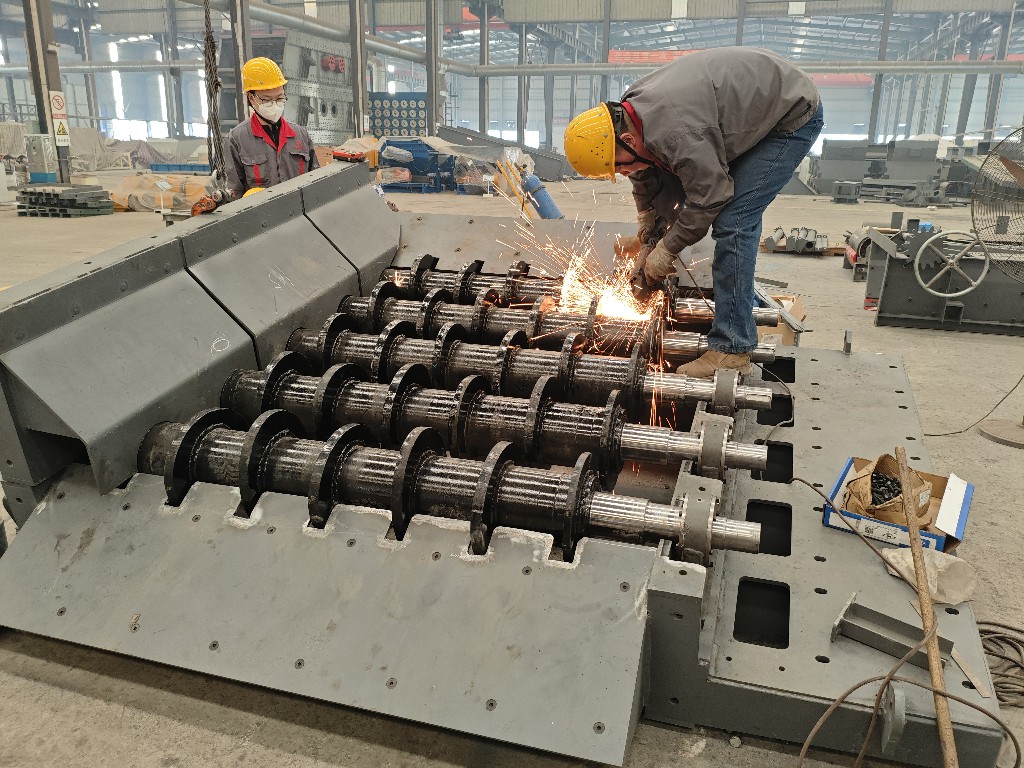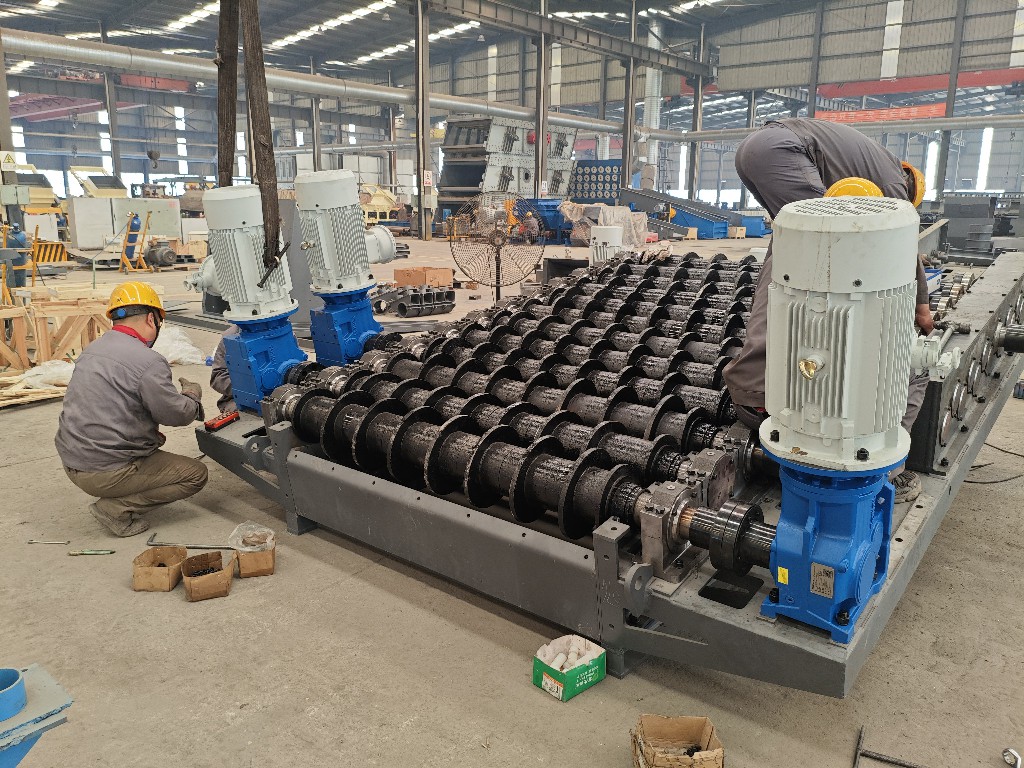

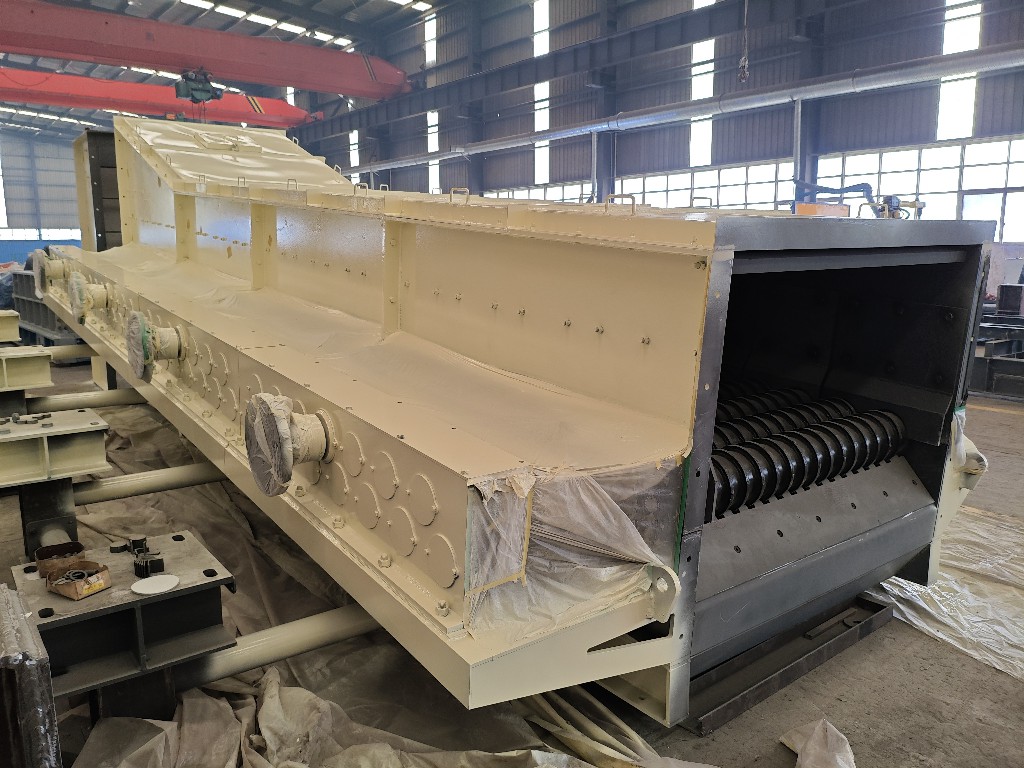
When selecting Roller Screens for bulk material handling, understanding the drive system is critical to optimizing performance and operational efficiency. Single-motor Roller Screens are designed with a centralized power source, transmitting motion across the screening shafts through mechanical linkages. This configuration offers a simpler structure, lower initial investment, and easier maintenance, making it ideal for operations with moderate throughput requirements and stable material conditions. However, because all shafts rely on one motor, any failure can halt the entire system, and load distribution may be less flexible under varying conditions.
In contrast, multi-motor Roller Screens utilize independent motors to drive different shaft sections, allowing for more precise control and improved adaptability. This setup enhances screening efficiency, especially in high-capacity or variable-load environments such as mining and coal processing. Multi-motor systems reduce the risk of total system shutdown, as individual sections can continue operating even if one motor encounters an issue. While the initial cost and system complexity are higher, the long-term benefits—such as increased reliability, scalability, and optimized material separation—often outweigh the investment.
Ultimately, the choice between single-motor and multi-motor Roller Screens depends on operational priorities, including capacity demands, maintenance strategy, and budget considerations. By aligning the drive configuration with specific production needs, businesses can maximize the efficiency and lifespan of their Roller Screens while ensuring consistent screening performance.