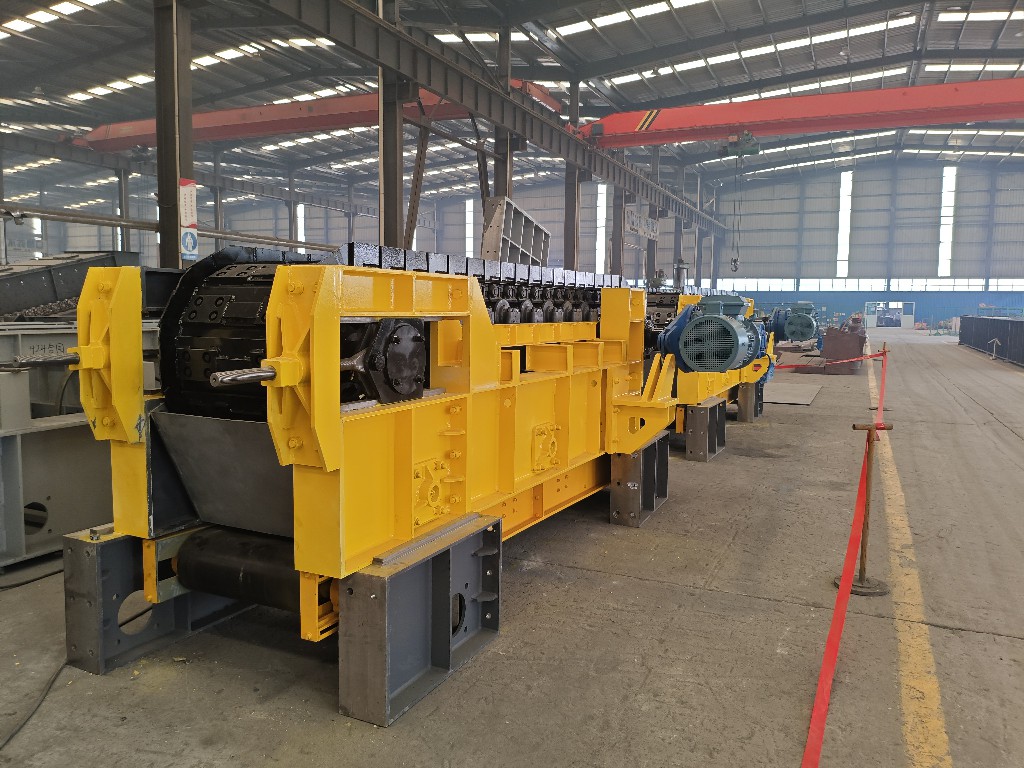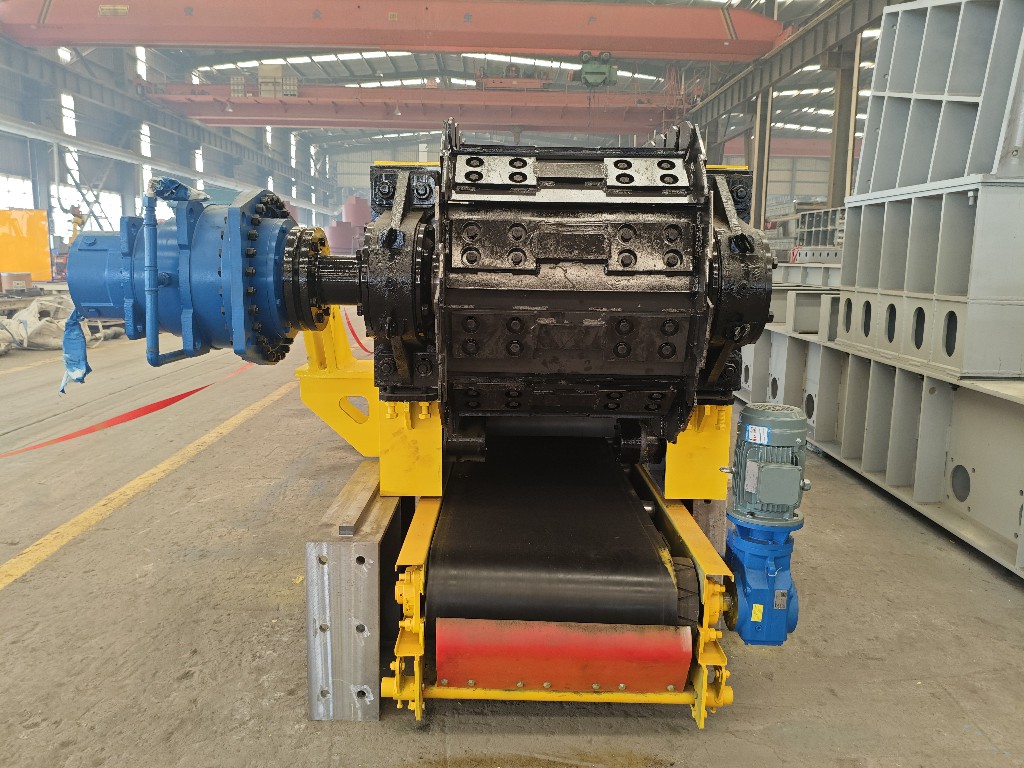

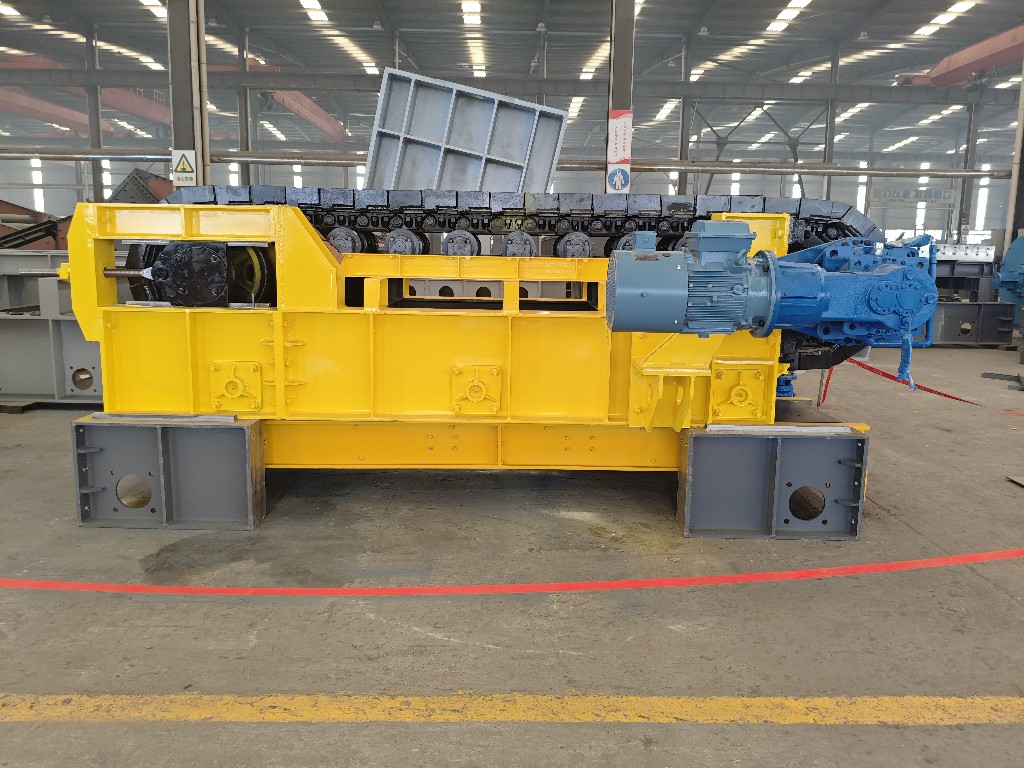
In modern mining and bulk material handling industries, the manufacturing quality of a Heavy-duty Apron Feeder directly affects operational efficiency, equipment lifespan, and production stability. The production process begins with raw material selection, where high-strength steel plates, wear-resistant components, and heavy-duty chains are carefully chosen to withstand extreme working conditions. Precision cutting, forming, and machining are essential steps that ensure every structural component meets strict dimensional requirements. During this stage, advanced CNC equipment and automated fabrication technologies help manufacturers improve accuracy and consistency across the entire Heavy-duty Apron Feeder production line.
Another critical stage is welding and assembly. Skilled technicians perform heavy structural welding to guarantee the feeder frame maintains excellent strength under continuous impact loading. Chain systems, sprockets, rollers, and pans are then assembled with strict alignment standards to reduce wear and improve long-term operational reliability. A professionally manufactured Heavy-duty Apron Feeder must also undergo detailed surface treatment and anti-corrosion processing, especially for equipment used in harsh mining environments where dust, moisture, and abrasive materials are common.
Before shipment, factory testing and quality inspection play a vital role in ensuring stable performance. No-load testing, drive system inspection, chain movement analysis, and load simulation help engineers verify the equipment’s running condition and feeding efficiency. Modern manufacturers focus not only on production precision but also on energy efficiency, maintenance convenience, and intelligent monitoring integration. With strict control throughout every manufacturing stage, a high-quality Heavy-duty Apron Feeder can deliver reliable material handling performance for coal, mining, cement, and port industries worldwide.