

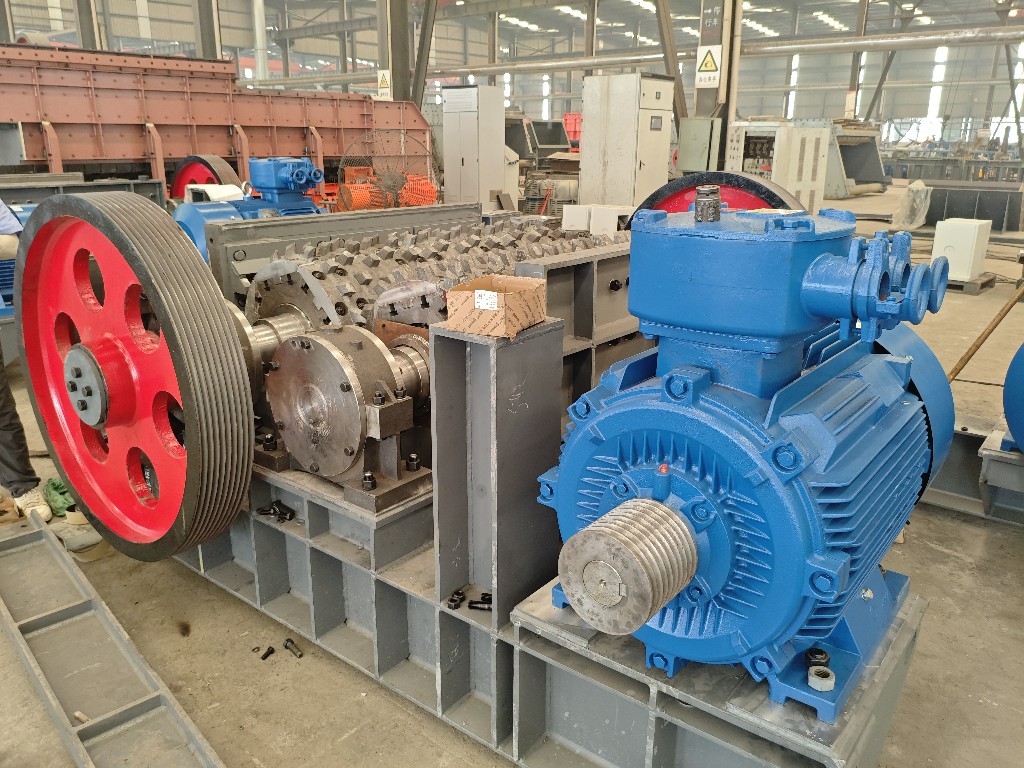
Choosing the right crushing equipment is not only about reducing rock size. It is about controlling product shape, lowering energy use, minimizing fines, and keeping the production line stable. In mining, coal preparation, quarrying, and bulk material handling, the difference between shear crushing and compression crushing can directly affect operating cost and plant efficiency.
This is where the Mineral Sizer becomes a smart choice for many applications.
Why Is a Mineral Sizer More Efficient?
A Mineral Sizer is designed to combine high torque, low speed, and controlled tooth geometry. This gives it several advantages over conventional compression crushers.
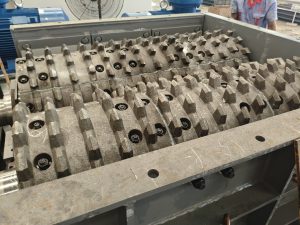
First, it reduces unnecessary over-crushing. Undersized material can pass through the gaps between the rollers, while oversized material is gripped and broken. This helps protect product quality and reduces energy waste.
Second, the low-speed design reduces wear, dust, and vibration. For plants handling sticky or moisture-rich materials, this is a major advantage because the machine is less likely to block compared with some high-speed crushers.
Third, Mineral Sizers are compact. They are often easier to install in underground mines, mobile crushing stations, and space-limited plants.
Shear Crushing vs Compression Crushing: How to Choose
Choose compression crushing when your material is very hard, highly abrasive, and requires strong reduction through jaw, cone, or gyratory crushing. It is a proven method for primary and secondary crushing in many hard rock applications.
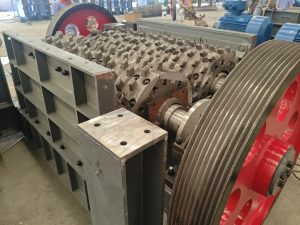
Choose a Mineral Sizer with shear crushing when your priority is low fines, high capacity, controlled product size, and reliable handling of wet or sticky materials. It is also a strong option when the plant needs compact equipment with lower vibration and stable feeding performance.
In simple terms:
If your material needs brute force, compression crushing may be suitable.
If your process needs controlled breaking and better efficiency, a Mineral Sizer is often the better choice.
Key Factors Before Selecting a Mineral Sizer
Before choosing a Mineral Sizer, consider these points:
Material hardness and abrasiveness
Moisture and stickiness
Required final product size
Feed size and capacity
Fines limitation
Installation space
Maintenance accessibility
Downstream screening or conveying requirements
A good Mineral Sizer selection should match the material behavior, not just the required output size.
Final Thoughts
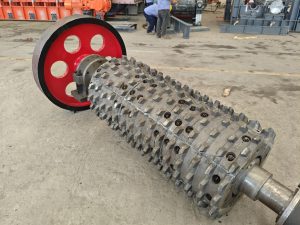
The reason Mineral Sizers are more efficient is not magic. It comes from using the right crushing principle. By applying shear, tension, and controlled breaking instead of repeated compression, a Mineral Sizer can reduce energy loss, limit fines, and improve overall plant stability.
For coal, soft minerals, medium-hard materials, and wet or sticky feed, the Mineral Sizer is often one of the most practical and cost-effective crushing solutions.
When choosing between shear crushing and compression crushing, the best answer depends on your material, your process goal, and your cost priorities. But if efficiency, low fines, and reliable operation matter most, the Mineral Sizer deserves serious consideration.