
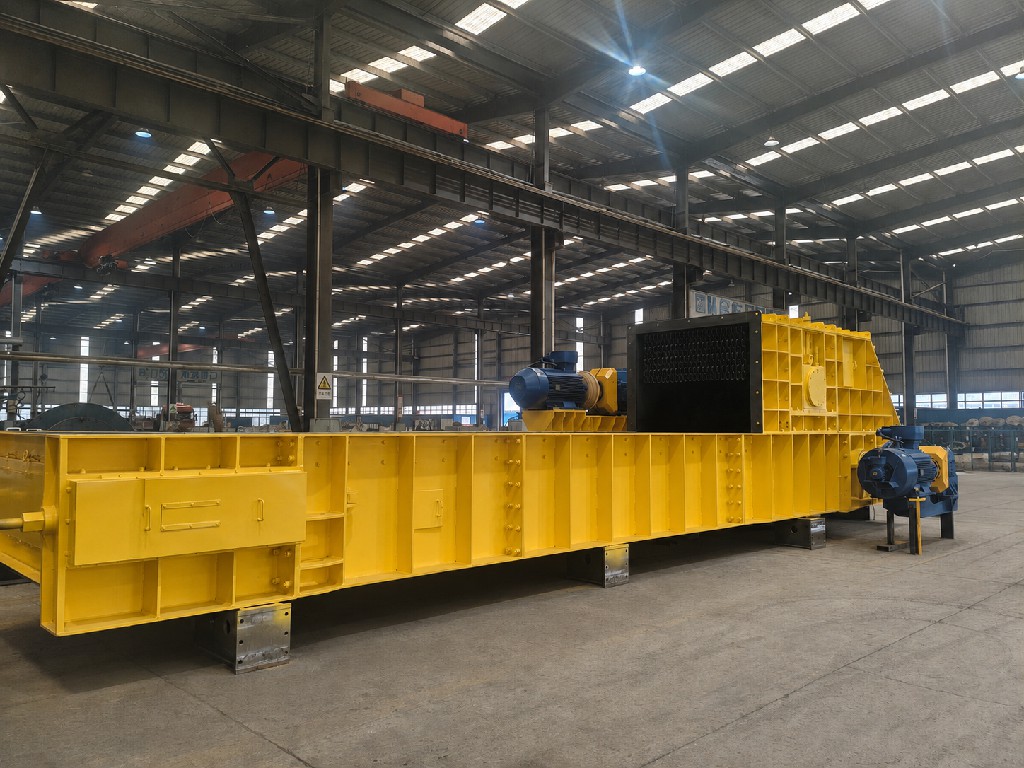
Buying feeder breaker coal mining equipment is not just a price comparison exercise. For procurement managers, the real question is whether the machine can support stable output, reduce downtime, and perform reliably in harsh underground or surface mining conditions.
Before approving a purchase, start with these seven questions.
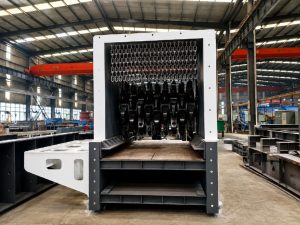
First, what coal size, moisture level, and material hardness will the feeder breaker handle daily? A good supplier should match the machine design to your actual working conditions, not only offer a standard model.
Second, what is the required capacity per hour? Oversizing wastes budget, while undersizing creates bottlenecks across crushing, conveying, and haulage systems.
Third, how strong is the frame, breaker shaft, chain, and drive system? In feeder breaker coal mining applications, durability directly affects operating cost.
Fourth, how easy is maintenance? Procurement teams should ask about wear parts, access points, lubrication, and replacement time.
Fifth, does the supplier provide engineering support before production? Experienced manufacturers usually review layout, feeding method, discharge height, and integration with conveyors.
Sixth, what proof of performance can the supplier provide? Case studies, site references, inspection reports, and testing procedures help reduce purchasing risk.
Finally, what happens after delivery? Spare parts availability, installation guidance, training, and after-sales response can be just as important as the equipment itself.
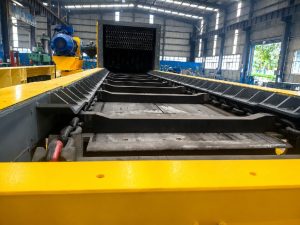
The right feeder breaker coal mining solution should protect production continuity, not simply meet a specification sheet. For sourcing teams, the smartest purchase is the one that delivers lower lifetime cost, safer operation, and dependable performance under real mining pressure.
FAQ
feeder breaker coal mining equipment is used to receive raw coal, control the feed rate, break oversized material, and discharge it smoothly to the next conveyor or processing stage.
Capacity should be based on hourly production targets, coal characteristics, feeding method, conveyor capacity, and peak operating conditions.
Regular maintenance reduces unexpected downtime, extends wear-part life, and helps keep the full mining and conveying system running efficiently.
Buyers should review technical design, material handling requirements, supplier experience, quality control, spare parts support, and after-sales service.