

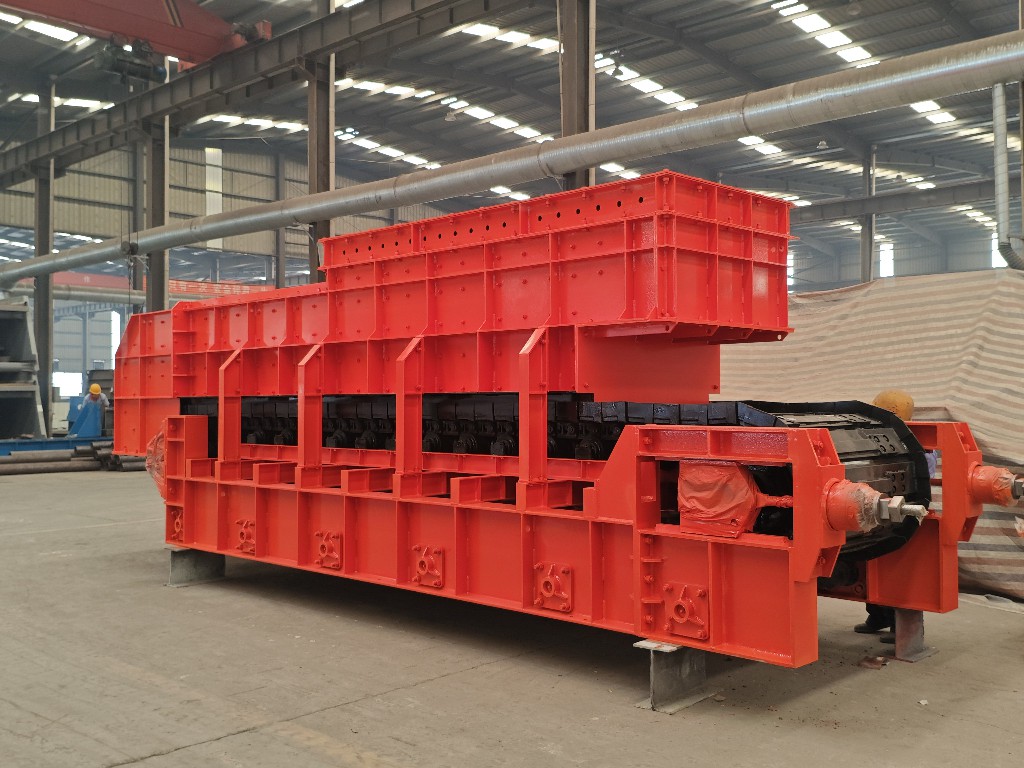
Sticky materials can easily cause blockage in an Apron Feeder, especially in wet clay, sticky coal, sludge, bauxite, laterite, and high-moisture ore applications. When material sticks to the feeder pans, hopper outlet, or discharge chute, the system may suffer from uneven feeding, motor overload, belt spillage, and unplanned shutdowns. To solve this problem, operators should first check the material moisture, clay content, particle size, hopper angle, and discharge opening. These factors often decide whether the material flows smoothly or builds up inside the feeding system.
For high-viscosity material conveying, the Apron Feeder should use a strong frame, heavy-duty chains, wear-resistant pans, and enough driving torque. A variable-frequency drive can help adjust the feeder speed according to real working conditions. In many sticky material applications, a slow and stable feeding speed works better than fast feeding. It helps prevent compaction, reduces sudden blockage, and protects downstream crushers or conveyors.
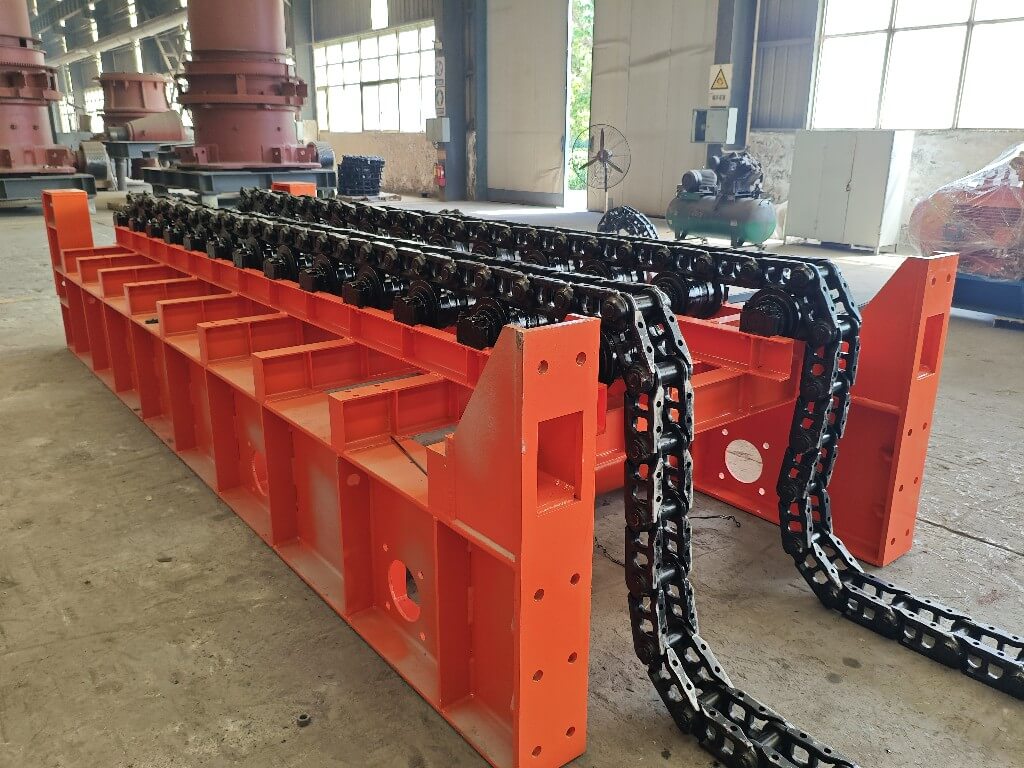
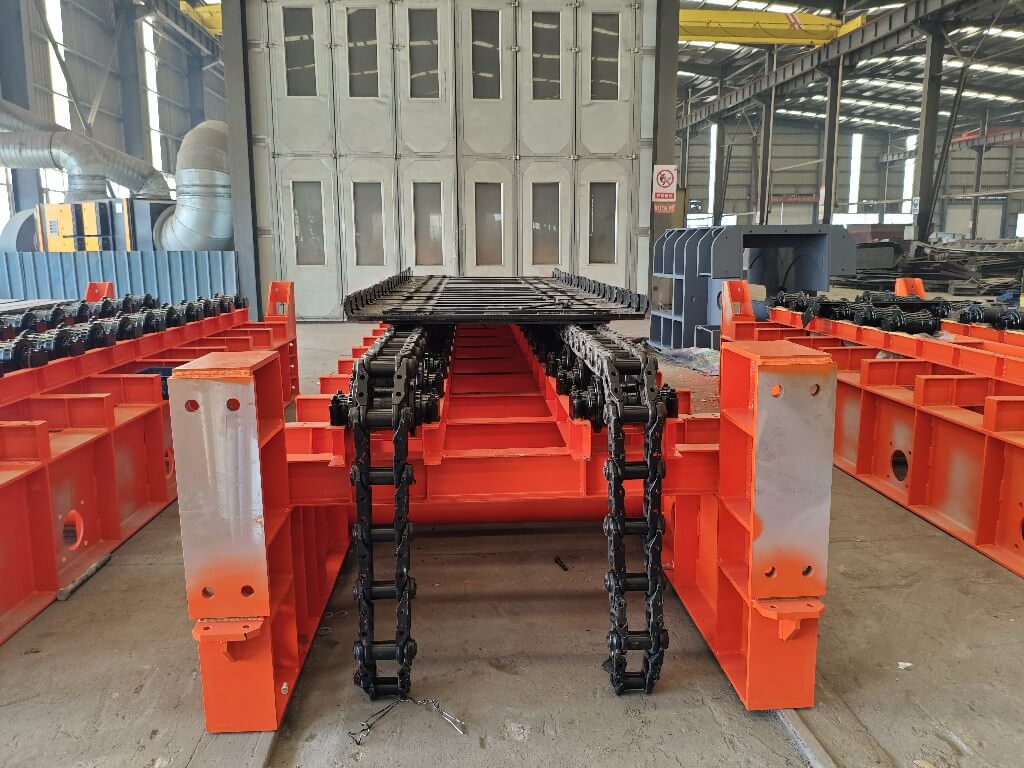
A complete anti-blocking solution should also improve the hopper and chute design. Larger outlets, smooth liners, proper wall angles, cleaning scrapers, and vibration support can all help sticky materials move more easily. Regular inspection and cleaning also matter. With the right Apron Feeder selection and system design, plants can reduce sticky material blockage, improve feeding efficiency, and keep the production line running reliably.
FAQ:
Sticky material blocks an Apron Feeder because moisture, clay, and fine particles increase adhesion and reduce material flow.
Yes. A heavy-duty Apron Feeder can handle wet clay, sticky coal, and other high-viscosity materials when the feeder, hopper, and chute are properly designed.
A slow and stable speed usually works better. It reduces compaction, material buildup, and sudden blockage.
You can reduce blockage by improving hopper angles, using smooth liners, increasing outlet space, adding cleaning devices, and adjusting feeder speed.
You should check material moisture, clay content, bulk density, lump size, required capacity, hopper size, and downstream equipment.